
Different Types of Nuts and Bolts
Mar 5th 2026
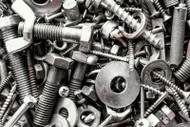
When used together, machine screws and nuts help to make a powerful fastening mechanism. They make sturdy, detachable joints that hold things together securely. The bolt is the threaded shaft and the nut is what holds it tight. Together, they can be used in construction, automotive work, industrial machinery, furniture assembly, and DIY projects.
What Are Nuts and Bolts?
What is a Bolt?
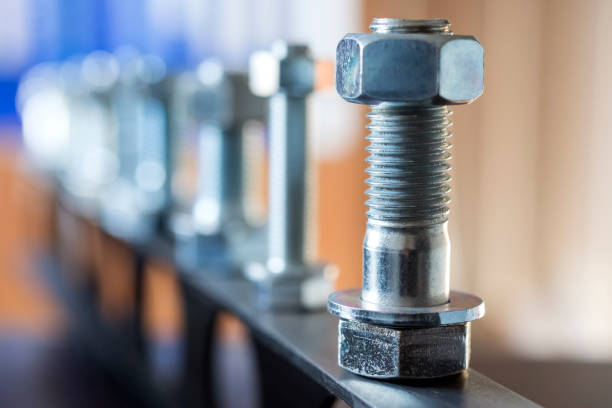
A bolt is an externally threaded fastener used with a nut. Bolts are installed by using torque and clamping force. You tighten them to create pressure that holds materials together. The bolt goes through holes in the materials you're joining. Then the nut screws onto the threads from the other side.
What is a Nut?
A nut is a type of fastener with a threaded hole. They are secured by screwing on to bolts that have been fixed through the material and tightened against the material. Both nuts and bolts must match perfectly. The thread size, pitch, and material need to be the same. Mismatched nuts and bolts won't work together. They could strip, break, or fail under load.
Types of Bolts (With Uses)
Hex Bolts
Hex bolts, often featuring a hexagonal head, are the most common type of bolt. Their heads are six-sided and they accept wrenches and sockets. The hexagon shape allows for a comfortable grip and proper fitment of the fastener.
Carriage Bolts
Carriage bolts have a smooth, rounded head for a finished look, as well the square section underneath the head prevents it from turning once completely installed in wood. A portion of the bolt is square-shaped to prevent it from spinning in wood. This makes them perfect for wood-to-wood projects such as decks, fences, and wooden furniture.
Lag Bolts (Lag Screws)
Lag bolts are heavy-duty fasteners for wood. They have coarse threads and hex or square heads. These bolts are strong and grip wood powerfully. You can use lag bolts for structural wood connections and outdoor applications.
Eye Bolts
Eye bolts resemble ordinary bolts but instead have a loop on one end. The loop provides a connection point for ropes, chains, and cables. They are essential in construction, marine work, and industrial applications.
U-Bolts
U-Bolts are bent in the shape of a U and have threads on both ends. They fasten to pipes, tubing, and other round objects. There are two nuts to hold the screws in place at these ends. Use these U-bolts to fasten piping, conduit, or other round objects.
Flange Bolts
Flange bolts have built-in washers under the head. The flange spreads the load over a wider area. This design also resists loosening from vibration. Use flange bolts in automotive applications and machinery where vibration is common.
Shoulder Bolts
Shoulder bolts have smooth sections between the head and threads. This smooth shoulder provides predictable pivot points. Install these pins into light duty bearings and other low-load applications. They're common in precision equipment.
Machine Bolts
Machine bolts threads are fully engaged along the length of the shank. They are intended for use on metal to metal applications, such as nuts. Heavy machinery and industrial equipment use machine bolts in conjunction with embedded washers.
Types of Nuts (With Uses)
Hex Nuts
Hex nuts are the most common type, often used as standard nuts. They have six sides that match hex bolts perfectly. Wrenches and sockets grip the six sides for tightening. Use hex nuts for general fastening in all types of projects as they're versatile and widely available.
Lock Nuts
Lock nuts resist loosening from vibration and movement. Several types exist including nylon lock nuts with nylon inserts, serrated lock nuts, and top-lock nuts. Nylon lock nuts have plastic inserts that grip threads. Serrated lock nuts have teeth that bite into surfaces. Use lock nuts on vehicles, machinery, and anywhere vibration occurs.
Wing Nuts
Wing nuts have wings or tabs for hand tightening. They don’t require any tools, and you can install them and remove them with just your fingers. For light duty and to make quick adjustments, use wing nuts.
Flange Nuts
Flange nuts include built-in washers for even load distribution. The flange also provides a stopping point for any screws or bolts that may come loose. Use flange nuts in automotive work and machinery applications. They're especially useful where vibration might loosen regular nuts.
Cap Nuts (Acorn Nuts)
Cap nuts have rounded caps that cover the bolt end. They provide a finished, decorative look. The cap also protects threads and prevents injury from sharp bolt ends. Use cap nuts on exposed bolt ends in furniture, railings, and visible applications.
Coupling Nuts
Coupling nuts are long, cylindrical nuts that can also be useful for certain fastening applications. They have threads on the inside to connect two bolts together. Use coupling nuts for joining threaded rods or extending bolt length.
Jam Nuts
Jam nuts are thinner than regular nuts. They're used as secondary locking nuts. Tighten a jam nut against another nut to prevent loosening. Use jam nuts where extra security is needed against vibration.
Square Nuts
Square nuts have four flat sides instead of six. The square size gives you more surface area. This is to avoid spinning out in wood. For use with carriage bolts in woodworking and restoration projects.
Bolt Head Styles
Bolts come with different head styles for different purposes and tools. The head style affects which tools you use and how the bolt looks when installed.
Hex heads have six sides. They're the most common style. You use wrenches or sockets to turn them. Flat heads sit completely flush with surfaces. They countersink into materials so nothing sticks out. Pan heads have rounded tops and flat bottoms. They work for general purposes. Round heads are completely dome-shaped and look decorative. Oval heads mix flat and round features together. They're raised but not fully round. Button heads have low, rounded shapes. People use them often in furniture and machinery. Choose your head style based on your tools and how you want it to look.
Bolt Thread Types
Understanding thread types helps you match nuts and bolts correctly. Threads must match or the fasteners won't work together.
Coarse threads are widely spaced apart, work for general use, and grip better in soft materials like wood. Coarse threads are easier to start. They're less likely to cross-thread and strip. Fine threads are closely spaced together. They work for precision jobs and make stronger connections. Metric threads use millimeter measurements instead of inches. Always use metric nuts with metric bolts.
Common Materials & Finishes
The material and finish affect how strong your nuts and bolts are. They also affect how long they last and where you can use them.
Stainless steel resists rust really well. Stainless steel costs more but lasts much longer in harsh conditions. Zinc-plated steel has a thin protective coating and is best for indoor use. Hot-dip galvanized has thick zinc coating, giving it excellent protection from weather. Carbon steel comes in different grades. Grade 2 is standard strength. Grade 5 is medium strength. Grade 8 is high strength for heavy loads. Nylon fasteners are lightweight and don't conduct electricity. Use them for electrical work and light-duty jobs.
Choosing the Right Nut and Bolt (Buyer's Guide)
Picking the right nuts and bolts keeps your project safe and successful. Think about these important things before buying.
First, what material are you fastening? Wood needs coarse threads, and metal needs fine threads. Next, calculate the weight and forces. Always choose nuts and bolts rated above your needs for safety.
Think about where you'll use them. Outdoor projects need corrosion-resistant materials like stainless or galvanized. Indoor projects can use basic steel. Wet environments will need special protection.
Measure carefully for size, length, and thread pitch. The threads must match your application exactly. Check thread specifications before you buy. For furniture and visible spots, think about how it looks. Choose finishes and head styles that look good.
Applications of Nuts and Bolts
Different jobs need different types of bolts and nuts. Here's what works best in each industry.
Deck building and framing utilizes hex head screws, wood screws or lag screws. Heavy-duty nuts provide strong connections for structures.
Grade 8 bolts are used in the automotive and transportation industries. Lock nuts resist vibration from engines and road conditions.
Mechanical and industrial equipment uses precision bolts. Machine bolts and strong fasteners keep equipment running safely.
Woodworking and furniture making relies on carriage bolts. Lag bolts and decorative cap nuts work great in wood projects.
Marine and some outdoor structures require stainless steel. These nuts and bolts withstand wet conditions and salt water.
Nuts and bolts made of nylon are used in electrical installations. These are nonconducting and offer good insulation.
Nuts vs Bolts vs Screws (Quick Comparison)
Knowing the distinctions enables you to choose the appropriate fastener for your work. These three fasteners function differently from each other.
Screws have external thread on outer surface. They work together with nuts. Bolts pass through materials by pre-drilled holes. Then nuts are threaded onto them from the opposite side. They make solid connections that can be unscrewed later if you need to.
Nuts have internal threads that fit neetly around the inside of them. They are tightened on the other side with bolts. Nuts complete the fastening system. Nuts hold bolts tight; without them bolts would loosen.
Screws are different from bolts. They turn directly into material, with no nut needed. Screws form their own thread as they are driven in.
FAQs About Nuts and Bolts
What is the strongest type of bolt?
Grade 8 bolts are the strongest common type. They handle extremely heavy loads and high tension. Grade 8 bolts have six radial lines marked on the head and are made from hardened alloy steel.
What nut should I use with a Grade 8 bolt?
Use a Grade 8 nut with a Grade 8 bolt. The nut must match the bolt's strength rating. Using a weaker nut with a strong bolt defeats the purpose. Always match nut grades to bolt grades.
Are stainless steel bolts stronger than zinc-plated ones?
Not necessarily. Strength depends on the grade, not the finish. A Grade 8 zinc-plated bolt is stronger than a Grade 2 stainless bolt. However, stainless steel resists corrosion much better. Choose based on both strength needs and environment. For outdoor heavy loads, consider galvanized Grade 8 bolts.
What is the difference between a bolt and a screw?
Bolts work with nuts and go through pre-drilled holes. They have uniform threads and blunt ends. Screws thread directly into materials without nuts. They often have pointed tips and create their own threads. Both are types of fasteners but work differently.
What bolt should I use for outdoor applications?
Use stainless steel or hot-dip galvanized bolts outdoors. These resist rust and corrosion from rain and weather. For marine environments near saltwater, choose type 316 stainless steel. Regular zinc-plated or plain steel bolts will rust quickly outdoors.
Shop High-Quality Nuts and Bolts at Nutty.com
The Nutty Company has a large selection of fasteners to choose from. We carry all types of nuts and bolts in many materials, grades, and sizes. Whether you're looking for stainless steel, galvanized, or Grade 5/8, we have it. Shop all nuts and bolts at Nutty.com.