





Which Concrete Anchor Do I Need?
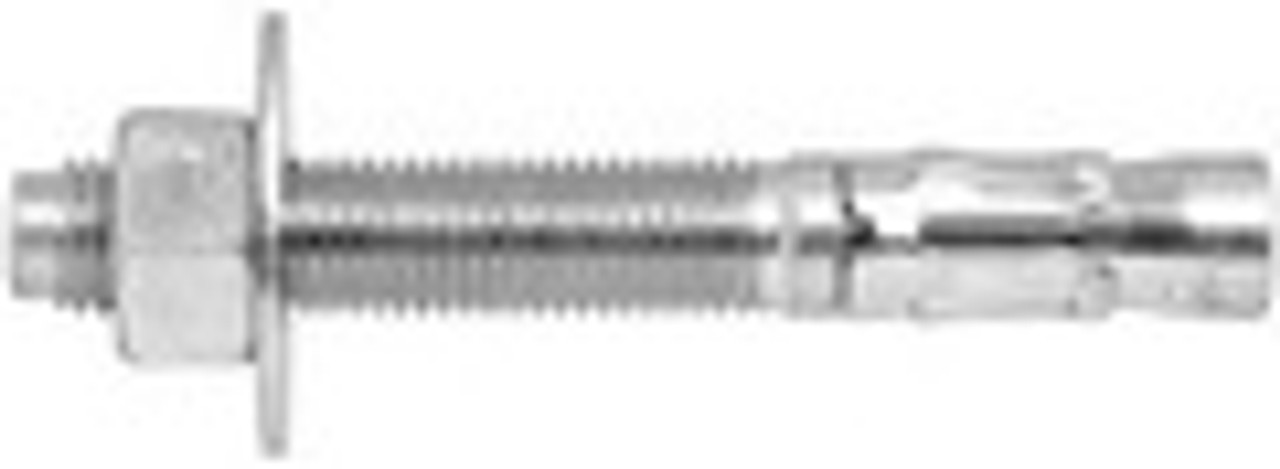
- Wedge (Stud) Anchors: the strongest mechanical anchor for solid concrete. Drill, drive and tighten; the wedge clip expands against the hole. In zinc plated, hot-dip galvanized and 18-8 stainless, 1/4" to 1-1/4".
- Sleeve Anchors: a full-length expansion sleeve that works in concrete, block and brick. Hex head and flat head (countersunk), plated and stainless.
- Drop-In Anchors: a flush, internally threaded anchor for bolts and threaded rod, set with a drop-in setting tool. Ideal for hanging pipe, conduit and ductwork from concrete ceilings. Plated and stainless.
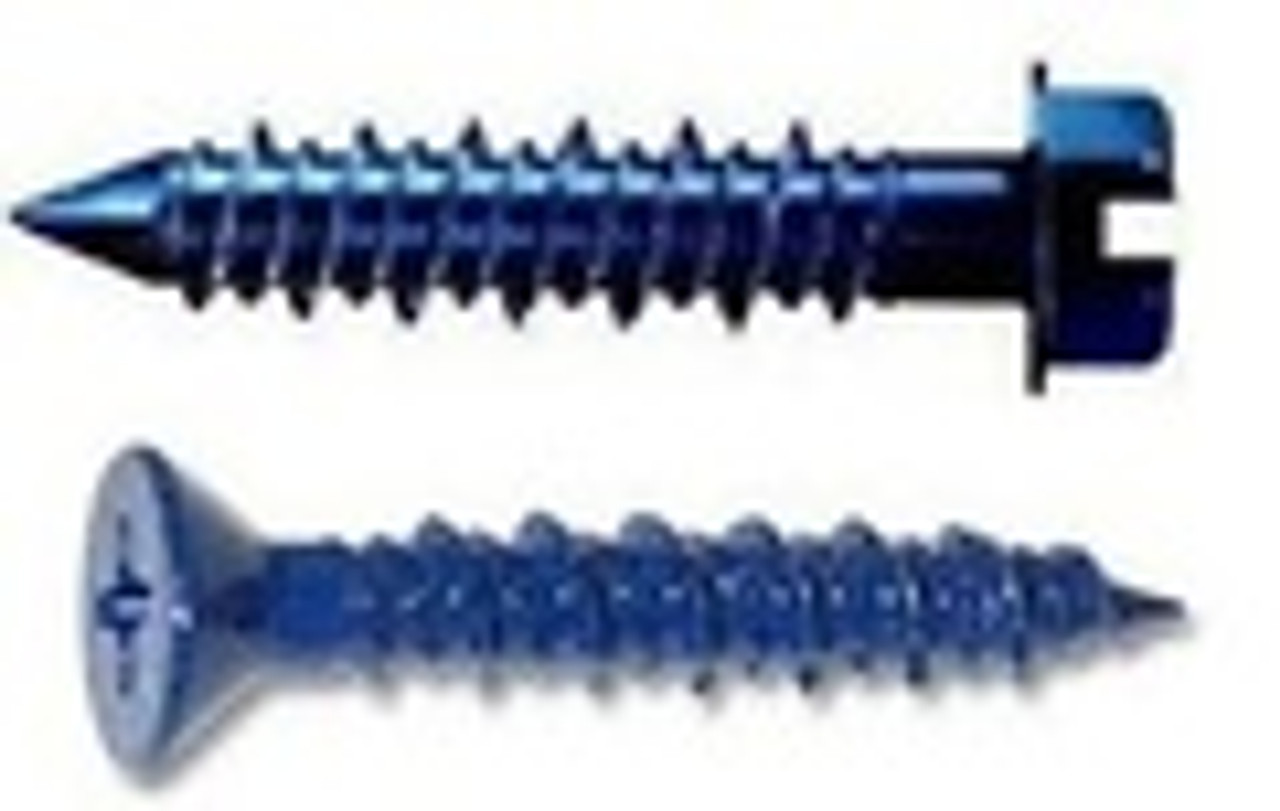
- Concrete Screws: drive straight into a pre-drilled hole with no expansion, and can be removed. Flat head Phillips and hex washer head, sold by the box with a matching drill bit, plus 410 stainless.
- Power Screws: heavy-duty concrete screw anchors from 1/4" to 3/4", in galvanized and zinc plated. Fast to install, removable, and good near edges.
- Galvanized L Anchors: hooked foundation bolts set in wet concrete to hold sill plates, columns and equipment, with nut and washer. Also in ASTM F1554 Grade 55, Made in USA.
- Single & Double Bolt Anchors: expansion shields for machine bolts in concrete, brick and stone. Double bolt anchors expand at both ends for more holding power.
- Lag Screw Shields: long and short lead shields that expand as a lag screw is driven in. Good for brick, block and concrete.
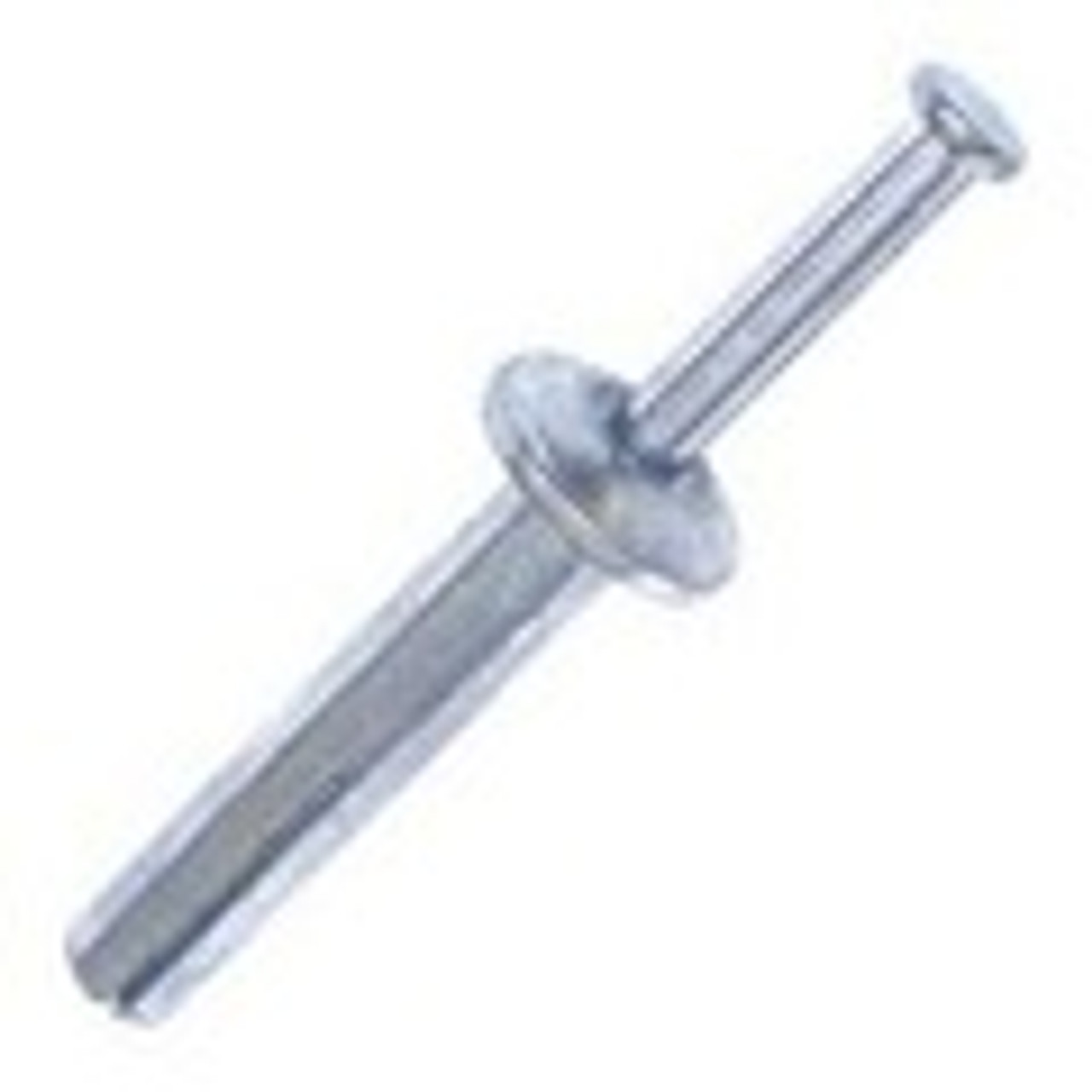
- Nail-In Anchors: hammer-set anchors for fast, light-duty fastening of furring strips, lath and fixtures.
- Plastic Anchors: conical plastic anchors and kits with screws and a masonry drill bit, for light-duty use.
- Epoxy Anchors: concrete epoxy for setting threaded rod and rebar for heavy loads and close to edges.
Choosing a Finish
- Zinc plated: indoor and dry locations
- Hot-dip galvanized: outdoors, wet locations and pressure treated lumber
- 18-8 stainless steel: marine, coastal, food and chemical areas
Concrete Anchor Data Sheets
- Zinc Plated Wedge Anchors Data Sheet (PDF)
- Galvanized Wedge Anchors Data Sheet (PDF)
- Stainless Steel Wedge Anchors Data Sheet (PDF)
- Sleeve Anchors Data Sheet (PDF)
- Drop-In Anchors Data Sheet (PDF)
- Concrete Screws Data Sheet (PDF)
- Power Screws Data Sheet (PDF)
- Nail-In Anchors Data Sheet (PDF)
Also see Drywall Anchors | Threaded Rod | Galvanized Fasteners | Fastener Technical Data
FAQ
Which concrete anchor is strongest?
For solid concrete, wedge (stud) anchors and heavy-duty power screws carry the highest loads of the mechanical anchors we stock. Epoxy with threaded rod is used for the highest loads. Always follow the manufacturer's ratings for the anchor size and embedment.
What anchor should I use in block or brick?
Sleeve anchors, lag screw shields, single and double bolt anchors and concrete screws work in brick and hollow block as well as concrete. Wedge anchors and drop-in anchors need solid concrete.
What size hole do I drill?
For wedge, sleeve and drop-in anchors, the drill bit is usually the same size as the anchor (a 1/2" wedge anchor takes a 1/2" bit). Drop-in anchors are the exception: they need a larger bit. Concrete screws use a smaller bit, which comes in the box. Always use a carbide masonry bit to ANSI standards and clean the dust out of the hole.
How deep should a concrete anchor be embedded?
Follow the minimum embedment in the anchor's data sheet. Deeper embedment gives more holding power. Drill the hole at least 1/2" deeper than the embedment so dust has room to settle.
Can I use zinc plated anchors outdoors?
Zinc plated anchors are for dry, indoor locations. Outdoors, in wet areas or in pressure treated lumber, use hot-dip galvanized anchors. For marine, coastal and corrosive locations, use 18-8 stainless steel.
How close to the edge can I install an anchor?
Expansion anchors can crack the concrete if set too close to an edge or another anchor. A common rule is at least 5 anchor diameters from an edge and 10 diameters between anchors. Screw anchors and epoxy can go closer.
Free shipping on orders over $100.