
What Is a Lag Screw? Definition, Uses, Sizes & Installation Explained
Dec 25th 2025
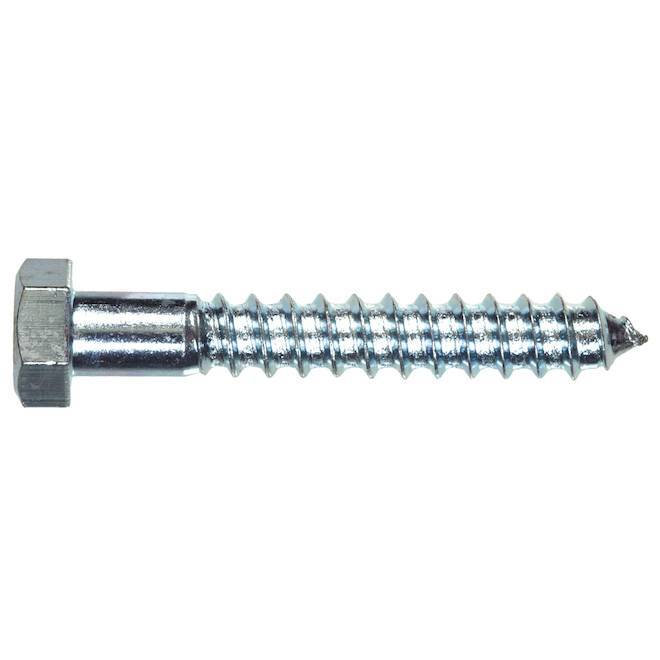
Lag screws rank among the most essential fasteners in construction and woodworking. Lag screws are large, hex-headed fasteners designed to create strong connections in wood and wood-to-metal applications. Their design distributes loads across greater thread engagement, providing holding power essential for structural applications.
Deck construction relies on lag screws to secure ledger boards to houses, the critical connection supporting entire deck structures. Fence posts, pergolas, playground equipment, and machinery mounting all depend on lag screws' superior holding strength.
Many people incorrectly call lag screws "lag bolts," creating widespread terminology confusion. This misnomer persists because lag screws feature hex heads like bolts and require wrenches for installation. Bolts require nuts for installation, while lag screws thread directly into materials.
What Is a Lag Screw?
A lag screw (commonly but incorrectly called a lag bolt) is a large, heavy-duty screw with a hexagonal head designed for fastening wood, wood-to-metal applications, or creating structural connections requiring high pull-out resistance.
According to the American Institute of Steel Construction (AISC), true bolts are threaded fasteners installed through clearance holes and secured with nuts, developing strength through clamping force. Lag screws thread directly into materials without nuts, generating holding power through thread engagement.
How Does a Lag Screw Work?
Lag screws cut into wood fibers as they're driven, creating mechanical interlocking between metal threads and wood structure. The coarse threads bite deeply into wood grain, providing exceptional resistance to pull-out forces.
According to research from the USDA Forest Products Laboratory, lag screw strength depends on thread engagement length, wood species density, and installation technique. Their studies show that proper pilot holes increase holding strength by 10-15% compared to direct installation by preventing wood splitting that compromises thread engagement.
Common Uses of Lag Screws
Deck Construction & Ledger Boards
The most critical part of a deck connection is the ledger board attached to the house, and this connection relies almost exclusively on lag screws. It supports the entire deck's load, making proper lag screw selection and installation extremely important.
Case study—deck ledger failure: A 2019 deck collapse in suburban Chicago injured seven people when the ledger board pulled away from the house. Investigation revealed the contractor used 3/8" lag screws with inadequate thread engagement and no washers. Had they used code-compliant 1/2" lag screws with proper installation, the connection would have supported 3-4 times the actual deck load. This example demonstrates why understanding lag screw specifications matters beyond academic interest.
Timber Framing & Beams
Post-and-beam construction uses lag screws to create connections where traditional mortise-and-tenon joinery isn't practical or economical. Lag screws secure beam hangers, connect perpendicular timbers, and attach decorative brackets to structural members.
Fence Posts & Pergolas
Outdoor structures subject to wind depend on lag screws' holding power. Fence posts secured to existing structures use lag screws rather than nails for superior resistance to racking forces.
Mounting Heavy Machinery or Brackets
Industrial and commercial applications use lag screws to mount machinery, HVAC equipment, and heavy brackets to wooden structures. The fastener's shear and tensile strength handles dynamic loads from operating equipment while the coarse threads resist vibration loosening.
Lag Screw vs Lag Bolt vs Wood Screw
|
Feature |
Lag Screw |
Lag Bolt |
Wood Screw |
|
Head type |
Hex |
Hex |
Phillips/Torx |
|
Installation |
Wrench |
Nut required |
Screwdriver |
|
Load capacity |
High |
Very high |
Medium |
|
Pilot hole required |
Yes |
Yes |
Sometimes |
|
Common materials |
Wood, wood-to-metal |
Steel assemblies |
Wood |
Important clarification: The "lag bolt" column emphasizes that lag bolts and lag screws are the same fastener—"lag bolt" is simply incorrect terminology that persists in common usage. True bolts require nuts; lag screws thread directly into materials.
How to Install a Lag Screw
Step 1: Choose correct lag screw size: Select diameter and length based on load requirements and material thickness. The lag screw should penetrate into the base material by 4-7 times its diameter. For 1/2" lag screws, this means 2-3.5" of thread engagement into solid wood.
Step 2: Drill the pilot hole: Drill the pilot hole in two stages. Through the first piece, drill a clearance hole matching the shank diameter. Into the second piece, drill a pilot hole 40-50% of the root diameter extending 70-80% of the intended thread engagement depth.
Step 3: Add washer: Washers distribute bearing loads across larger wood surface area, preventing the hex head from crushing wood fibers and pulling through under tension. According to International Code Council (ICC) standards, washers are required for structural connections in most building applications.
Step 4: Drive using a socket wrench: Use a socket wrench or impact driver with an appropriate hex socket. Hand-tighten initially to ensure threads engage properly, then apply torque progressively.
Step 5: Avoid over-tightening:Excessive torque strips threads in wood, crushes fibers, and actually reduces holding strength. For 1/2" lag screws in standard framing lumber, stop when the washer compresses wood slightly but doesn't crush fibers visibly.
Common Mistakes When Using Lag Screws
Skipping pilot holes: This leads to split wood, reduced holding strength, and wandering installation creating weak connections. Even in soft woods, always drill pilot holes for lag screws 1/4" diameter and larger.
Over-torquing: Excessive tightening crushes wood fibers around threads, eliminating the mechanical interlock providing holding strength. Once the threads strip, the connection is permanently weakened.
Using indoor lag screws outdoors: Standard zinc-plated lag screws corrode rapidly in outdoor moisture exposure. Deck failures often trace to corroded lag screws losing 50-70% of their strength within 5-10 years. Use hot-dipped galvanized or stainless steel lag screws for exterior applications.
Reusing lag screws:Lag screws cut new threads each installation. Reusing them in the same holes creates loose connections as threads don't engage fresh wood.
Conclusion
Understanding what is a lag screw and what are lag screws used for ensures you select and install these critical fasteners correctly. Lag screws provide the structural strength necessary for deck ledgers, timber framing, and machinery mounting—applications where standard fasteners fail. Ready to source professional-grade lag screws for your next project? Visit Nutty to explore our complete selection of lag screws in various sizes, materials, and finishes engineered for demanding applications.
FAQs
What is a lag screw used for?
Lag screws are used for creating strong, durable connections in wood construction and wood-to-metal applications. Common uses include securing deck ledger boards to houses, joining timber frame beams, attaching fence posts and pergola rafters, mounting heavy machinery or equipment to wooden structures, and installing large brackets requiring high pull-out resistance.
Are lag screws stronger than wood screws?
Yes, lag screws are significantly stronger than standard wood screws due to larger diameter, deeper threads, and greater thread engagement. A 1/2" lag screw provides 3-5 times the pull-out resistance of a comparable #14 wood screw in the same species.
Do lag screws need washers?
Yes, lag screws should always be installed with washers for proper load distribution and maximum holding strength. Washers distribute bearing forces across larger surface areas, preventing hex heads from crushing wood fibers and pulling through under tension.
Can lag screws be used in concrete?
No, standard lag screws should not be used directly in concrete. Lag screws are designed to thread into wood fibers—concrete's brittle nature cannot provide the thread engagement necessary for lag screws to develop holding strength.