
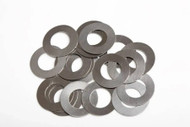
What Are Shims Used For? Types, Applications & Best Practices Explained
Dec 5th 2025
Shims are small but essential components that are used in mechanical assemblies, construction projects, and various industrial applications. These thin pieces of material are used to solve critical problems that would otherwise compromise structural integrity, machinery performance, and operational safety.
Shims are thin pieces of material placed between objects for a variety of uses, including added support, improved leveling, increased insulation, tighter seals or better spacing. When you fail to use shims correctly machines can vibrate, buildings can settle unevenly, and parts can wear out prematurely.
Misalignment between components can cause premature bearing failure and inefficient power transmission. Uneven loads create stress concentrations leading to structural failure. Vibration from improperly aligned or leveled equipment accelerates wear and creates noise. Shims address all these issues through precise gap filling and alignment adjustment.
Machinery manufacturing and maintenance rely heavily on shims for motor alignment and pump mounting. Construction workers use shims for door frames, windows, and structural steel. HVAC technicians level equipment using shims. Any industry requiring precision alignment or load distribution depends on shims.
What Is a Shim?
A shim is a thin piece of material, typically metal, plastic, or composite. They're used to fill gaps, adjust spacing, align components, or level surfaces in mechanical and construction assemblies.
Shims and spacers serve different purposes. Shims are temporary or permanent components used to achieve precise alignment, level surfaces, or adjust clearances. Spacers are components that create intentional separation between parts as part of the original design.
According to the Society of Automotive Engineers (SAE), shims represent "critical tolerance compensation devices enabling precise assembly despite manufacturing variations."
What Are Shims Used For?
Concrete floors, foundation pads, and mounting bases rarely achieve perfect levelness. Shims help make up for this by creating level mounting surfaces for equipment, machinery, and structural components. Without proper leveling, equipment operates under stress, accelerating wear and reducing efficiency.
Precision alignment between rotating equipment prevents vibration, noise, and premature bearing failure. Motor shafts must align within thousandths of an inch to coupled equipment, and using shims under motor mounts can achieve this precision. According to studies by the U.S. Department of Energy, proper motor alignment through shimming can reduce energy consumption by 5-10% and extend bearing life by 50-100%.
Common Applications of Shims
Construction applications:
- Door frames
- Windows
- Cabinets
- Structural steel
Machinery & manufacturing applications:
- Motor alignment
- Pump mounting
- Machine tools
- Conveyor systems
Automotive applications:
- Brake systems
- Suspension alignment
- Engine building
- Differential setup
HVAC applications:
- Equipment leveling
- Vibration isolation
- Ductwork support
Structural steel applications:
- Base plate leveling
- Bearing pad shimming
- Anchor bolt correction
Types of Shims & Their Uses
|
Type of Shim |
Material |
Primary Use |
Key Advantage |
|
Flat shims |
Steel, brass |
Gap filling |
Precise thickness |
|
Tapered shims |
Steel |
Alignment |
Easy adjustment |
|
U-shaped shims |
Steel |
Around bolts |
No disassembly |
|
Laminated shims |
Steel |
Fine tuning |
Peelable layers |
|
Plastic shims |
PVC, ABS |
Construction |
Moisture resistant |
Most guides focus on material strength but overlook compatibility depending on the environment. Placing steel shims between aluminum components in wet environments creates corrosion. Always consider the complete material stack when selecting shims. Additionally, shim surface finish matters. Rough shim surfaces don't sit properly, creating point loading instead of even distribution. Quality shim washers from reputable suppliers like Nutty ensure proper surface finish and accuracy.
How to Use Shims Correctly

Step 1: Identify misalignment or gap. Use precision measuring tools to quantify the problem. For machinery alignment, use dial indicators measuring shaft alignment. For leveling, use machinist's levels or laser levels. For gap filling, use feeler gauges measuring space between surfaces. Accurate measurement prevents guesswork and multiple installation attempts.
Step 2: Measure required thickness. Calculate total shim thickness needed based on measurements from Step 1. Account for compression, as soft materials compress under load, requiring slightly thicker initial shimming. For critical applications, consult load tables determining compression for specific materials and pressures.
Step 3: Select correct shim type & material. Choose shim configuration based on installation constraints. Use tapered shims for applications requiring installation without disassembly. Select U-shaped or slotted shims for retrofits around existing bolts. Choose materials based on load requirements, environmental conditions, and compatibility with adjacent materials.
Step 4: Install without bending or stacking improperly. Handle shims carefully to avoid bending. Thin shims can create stress concentrations causing premature failure. When stacking multiple shims, limit stack height to 3-4 shims maximum. Excessive stacking creates instability and reduces load capacity. Use single thicker shims instead of many thin ones when possible.
Step 5: Verify alignment with gauge/tools. After installation, re-measure alignment or levelness using the same tools from Step 1. For rotating machinery, perform alignment checks at operating temperature. Document final measurements for maintenance records and future reference.
Step 6: Secure and protect (professional practice). Apply appropriate thread locking compound to fasteners if vibration is present. In corrosive environments, apply protective coatings to exposed shim edges. Mark shim locations in maintenance documentation for future service. Technicians need to know shimming exists to avoid disturbing carefully achieved alignment during repairs.
Conclusion
Understanding what shims do explains the vital job that these materials play in alignment, leveling and spreading loads that occur under a wide range of conditions. Everything from construction work to high speed machinery, shims correct problems that could otherwise negatively impact on the structural longevity, operational efficiency and component life expectancy on a product.
Whether you're leveling door frames, aligning motors, or distributing structural loads, invest in quality shims and apply them correctly. The small cost of proper shimming prevents expensive failures, reduces energy consumption, and extends equipment life substantially. Visit Nutty to explore our complete selection of precision shim washers and fastener solutions engineered for professional applications.
FAQs
What are shims used for in construction?
In construction, shims are useful for leveling and plumbing windows, door frames, and cabinets during installation. They adjust to compensate for imperfections in the wall, floor, or against a structure.
Are shims load-bearing?
Yes, properly selected and installed shims are load-bearing components. Steel and stainless steel shims support substantial loads when used correctly. Load capacity depends on material, thickness, surface area, and installation quality.
Can shims be stacked?
Yes, shims can be stacked to achieve the required thickness, but you should limit stacking if possible. The maximum recommended stack is 3-4 shims for most applications. Excessive stacking creates unstable arrangements that deflect under load, reducing precision and load capacity.
What is the best material for shims?
The best shim material depends on the specific application. Steel shims offer maximum strength and precision. Stainless steel shims resist corrosion in wet or chemical environments. Brass shims provide good corrosion resistance with softer material that won't damage surfaces. Plastic shims work well in construction applications where moisture resistance matters and loads are moderate.